-
Vitamin D3
The active form of cholecalciferol, 1,25-dihydroxycholecalciferol (calcitriol) plays an important role in maintaining blood calcium and phosphorus levels and mineralization of bone. The activated form of cholecalciferol binds to vitamin D receptors and modulates gene expression. This leads to an increase in serum calcium concentrations by increasing intestinal absorption of phosphorus and calcium, promoting distal renal tubular reabsorption of calcium and increasing osteoclastic resorption.
-
Vitamin E
Vitamin E is integral part of cellular membranes whose main role is to defend the cell against oxidation. Within cells and organelles (e.g. mitochondria) vitamin E is the first line of defense against lipid peroxidation. The vitamin also plays a very important function in lending red blood cells (RBC) flexibility as they make their way through the arterial network.
-
Vitamin C
Vitamin C is considered to be a cofactor. Cofactors are the single most important set of components required to maintain fundamental processes throughout the body. Basic nervous system functions such as neurotransmitter synthesis and healthy cell-to-cell communication would not be possible without the presence of necessary vitamin, mineral and amino acid cofactors.Supplementing toan already healthy diet with Vitamin Cmay support a strong immune system response and promotes healthy nervous system function. Vitamin C is formulated along with other essential vitamins, minerals and amino acids to help maintain physical and emotional wellness.
-
Vitamin B1
Thiamine reacts with adenosine triphosphate (ATP) to form an active coenzyme, thiamine pyrophosphate. Thiamine pyrophosphate is necessary for the actions of pyruvate dehydrogenase and alpha-ketoglutarate in carbohydrate metabolism and for the actions of transketolase, an enzyme that plays an important role in the pentose phosphate pathway. Thiamine plays a key role in intracellular glucose metabolism and may inhibit the action of glucose and insulin on arterial smooth muscle cell proliferation.
-
Vitamin B2
Riboflavin is a precursor of the coenzymes flavin mononucleotide (FMN) and flavin adenine dinucleotide (FAD). These coenzymes are of vital importance in normal tissue respiration, pyridoxine activation, tryptophan to niacin conversion, fat, carbohydrate, and protein metabolism, and glutathione reductase mediated detoxification. Riboflavin may also be involved in maintaining erythrocyte integrity. This vitamin is essential for healthy skin, nails, and hair.
-
Vitamin B6
Vitamin B6 inhibits glycosylation of proteins, one of the major risk factor for developing diabetic neuropathy.
-
Niacinamide
Niacinamide used by the body to help release energy from carbohydrates. It is also necessary to process alcohol and to form fats from carbohydrates. Niacinamide is responsible for regulating cholesterol. Niacinamide acts as an antioxidant by preventing NAD depletion during DNA repair by inhibiting poly ADP-ribose polymerase (PARP), which also modulates major histocompatibility complex (MHC) class II expression. Niacinamide inhibits free radical formation and facilitates beta-cell regeneration. Additional protection from macrophage toxins may be involved in prevention of type I diabetes. Specifically, niacinamide has been shown, via PARP inhibition, to protect pancreatic islet-cell lysis (on exposure to oxygen free radicals and nitric oxide.)
-
Folic Acid
Folic acid is reduced in the body to tetrahydrofolate which is a co-enzyme for various metabolic processes. including the synthesis of purine and pyrimidine nucleotides and hence in the synthesis of DNA. It is also involved in some amino acid conversion and in the formation and utilisation of formate.
-
Vitamin B12
Vitamin B12 is present in the body mainly as methylcobalamin and as adenosylcobalamin and hydroxocobalamin. These act as co-enzymes in the trans methylation of homocysteine to methionine; in the isomerisation of methylmalonyl co enzyme to succinyl co-enzyme and with folate in several metabolic pathways respectively. Deficiency of Vitamin B12 interferes with haemopoiesis and produces megaloblastic anaemia.
-
Biotin
In the last few decades, more vitamin-mediated effects have been discovered at the level of gene expression. Increasing knowledge on the molecular mechanisms of these vitamins has opened new perspectives that form a connection between nutritional signals and the development of new therapeutic agents. Besides its role as a carboxylase prosthetic group, biotin regulates gene expression and has a wide repertoire effects on systemic processes. The vitamin regulates genes that are critical in the regulation of intermediary metabolism: Biotin has stimulatory effects on genes whose action favors hypoglycemia (insulin, insulin receptor, pancreatic and hepatic glucokinase); on the contrary, biotin decreases the expression of hepatic phosphoenolpyruvate carboxykinase, a key gluconeogenic enzyme that stimulates glucose production by the liver.
-
Calcium Pantothenate
Calcium Pantothenate is used to make neurotransmitter acetylcholine and works in the Kreb's cycle of energy production. It also helps release, produce, and transport energy from fats. Calcium Pantothenate also plays a crucial role in synthesizing cholesterol and in activating adrenal glands. A by-product of Calcium Pantothenate, Pantethine, Lowers the level of triglycerides and cholesterol in the blood.
-
Isoleucine
Isoleucine is a branched chain amino acid that is important for blood sugar regulation, muscle development and repair, haemoglobin development, and energy regulation. Deficiencies of isoleucine result in possible dizziness, headaches, fatigue, depression, confusion and irritability.
-
Leucine
Leucine is a branched chain essential amino acid that stimulates muscle protein synthesis and may be the major fuel involved in anabolic (tissue building) reactions During times of starvation, stress, infection, or recovery from trauma, the body mobilizes leucine as a source for gluconeogenesis (the synthesis of blood sugar in the liver) to aid in the healing process. It has recently been suggested that leucine may have beneficial therapeutic effects on the prevention of protein wasting, as it occurs during starvation, semi-starvation, trauma, or recovery after surgery. Insulin deficiency is known to result in poor utilization of leucine; therefore, individuals who suffer from glucose intolerance may require higher levels of leucine intake.
-
Lysine
Lysine deficiency can result in a deficiency in niacin (Vitamin B) and this can cause the disease pellagra. It is also beneficial in treating and preventing herpes. Phenylalanine Phenylalanine serves in the body as a precursor to the catechola
-
Phenylalanine
Phenylalanine serves in the body as a precursor to the catecholamine family of hormones. These hormones include adernaline and noradrenaline, which are activating substances in the central and peripheral nervous systems. Deficiencies are rare but can include slowed growth, lethargy, liver damage, weakness, oedema and skin lesions.
-
Threonine
Threonine is important for antibody production. It can be converted into glycine and serine. Deficiencies are rare but can result in skin disorders and weakness.
-
Tryptophan
Tryptophan is a precursor for serotonin and melatonin.
-
Valine
Valine is needed for muscle metabolism, tissue repair, and for the maintenance of proper nitrogen balance in the body. Valine is found in high concentration in the muscle tissue. It is also one of the three branched chain amino acids, which means that it can be used as an energy source by muscle tissue. It may be helpful in treating liver and gallbladder disorders, and it is good for correcting the type of severe amino acid deficiencies that can be caused by drug addiction.
-
Histidine
Histidine is essential in forming many metal bearing enzymes and compounds, examples being the red blood cell hemoglobin, antioxidant super oxide dismutase, the iron uptake regulation protein -FUR, the iron storage. protein ferritin, the copper storage and iron metabolism cofactor cerulplasmin, and important enzymes dependent on Histidine being available for formation and function.
-
Iron
Iron is an essential constituent of the body, and is necessary for haemoglobin formation and for the oxidative processes of living tissues. Iron and iron salts should be given for the treatment or prophylaxis of iron deficiency anaemias. Preparations of iron are administered by mouth, by intramuscular or intravenous injection.
-
Zinc
Zinc is a constituent of many enzymes and is, therefore, essential to the body. It is present with insulin in the pancreas. It plays a role in DNA synthesis and cell division. Reported effects of deficiency include delayed puberty and hypogonadal dwarfism.
-
Chromium
Chromium can have a dramatic effect on blood sugar and insulin levels. Chromium had significant decreases in fasting blood sugar and modest reductions in triglycerides and glycated hemoglobin after 3 months.
-
Silicon
It has been researched that silicon plays a vital role in assisting calcium for the growth and maintenance of joints and bones. It induces flexibility in the bones by increasing the amount of collagen, which is the protein. component of bones. It also increases the rate of healing of bone dislocation and fractures.
-
lodine
The two main thyroid hormones, thyroxine and triiodothyronine, are synthesised from the amino acid tyrosine in combination with iodide. Thyroxine (T4) contains four iodine atoms and triiodothyronine (T3) contains
three. If a person's diet is too low in iodine, the thyroid gland gets larger and larger in an attempt to make more thyroid hormone. This overgrowth of the thyroid gland is called goitre.
-
Manganese
Manganese is essential for people with iron deficiency anemias. Manganese is helpful for protein and fat metabolism, healthy nerves, immune system and blood sugar regulation.
-
Copper
Copper helps the body utilize Iron. It reduces tissue damage caused by free radicals. It maintains the health of the bones and connective tissues. It helps the body produce the pigment called melanin. It keeps thyroid gland functioning normally.
|
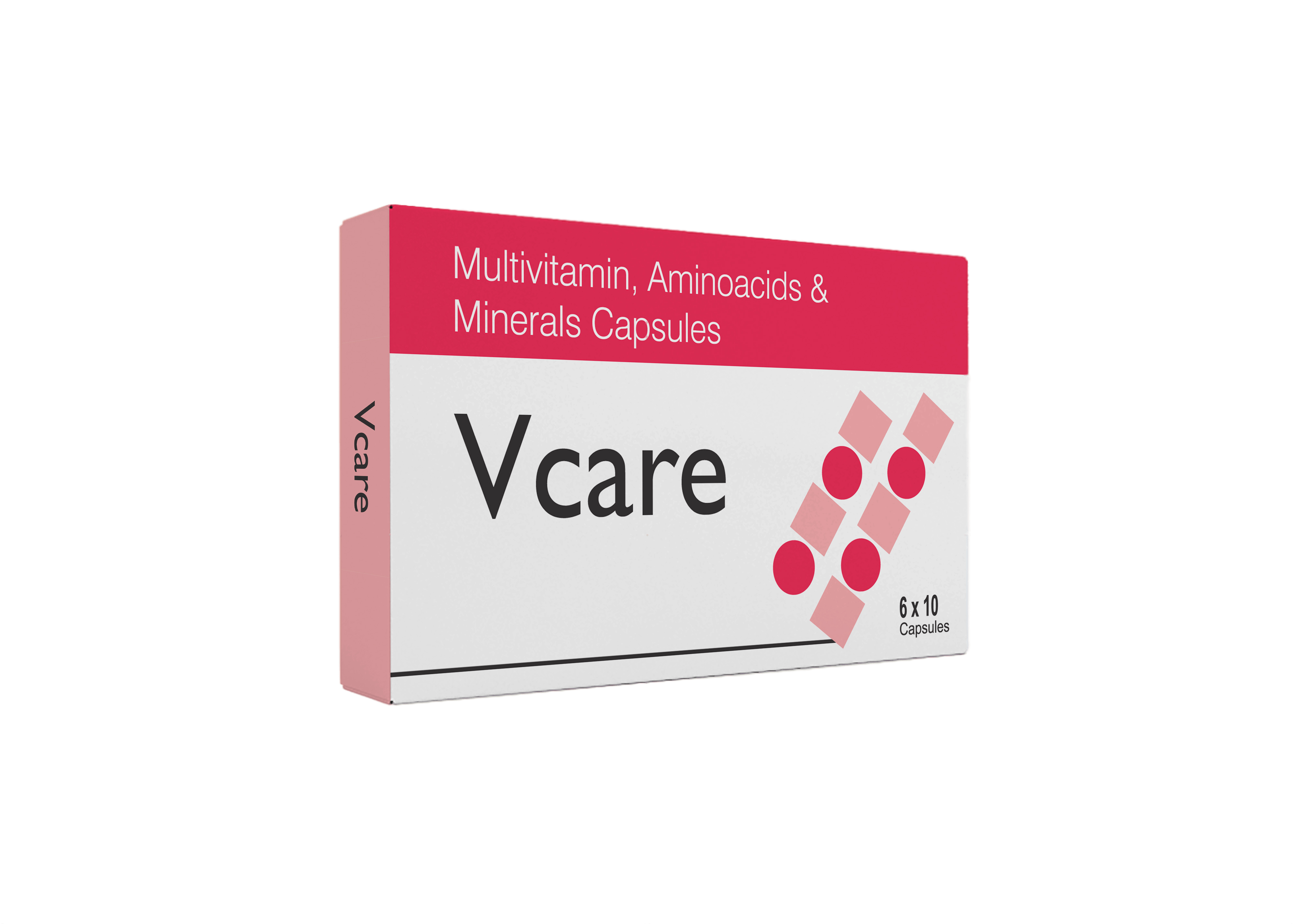
Each hard gelatin capsule contains:
|
|
Vitamin D3(as Cholecalciferol) 200 IU
|
|
Lysine Hydrochloride 10mg
|
|
Vitamin E(as Alpha Tocopheryl Acetate) 25 mg
|
|
Phenylalanine 3 mg
|
|
Vitamin C(as Ascorbic Acid) 40 mg
|
|
Threonine 2.8 mg
|
|
Vitamin B1(as Thiamine Nitrate) 5mg
|
|
Tryptophan 2mg
|
|
Vitamin B2(as Riboflavin) 3 mg
|
|
Valine 4.5mg
|
|
Vitamin B6(as Pyridoxine Hydrochloride) 2 mg
|
|
Histidine 1.5 mg
|
|
Nicotinamide 18 mg
|
|
Iron(as Ferrous Fumarate) 14 mg
|
|
Folic Acid
|
|
B12(as Cyanocobalamin) 500 mg
|
|
Zinc (as Zinc Sulfate Monohydrate) 9 mg
|
|
Chromium(as Chromic Chloride) 15 mg
|
|
Biotin 45 meg
|
|
Silicon (as Colloidal Anhydrous Silica) 10 mcg
|
|
Calcium Pantothenate 20 mg
|
|
iodine(as Potassium Iodide) 200 mcg
|
|
Isoleucine Leucine 3.2 mg
|
|
Manganese(as Manganese Sulfate) 2 mg
|
|
Copper (as Copper Sulfate Pentahydrate) 2 mg
|
|
1 Capsule a day after meal or as directed by your healthcare professional
|
The dietary supplement should not be used as a substitute for a complete diet. Statements regarding dietary supplements have not been evaluated by the FDA and are not intended to diagnose, treat, cure, or prevent any disease or health condition. Please consult your healthcare professional before taking this supplement. Keep away from children.